Understanding Medical Marijuana Extracts: A Practical Guide to Concentrates
How Concentrates Fit into Modern Cannabis Use
If you have spent any time around cannabis in the past few years, you have probably heard someone talk about dabbing. The scene has shifted from simple flower to a whole world of concentrates. People new to this space often feel overwhelmed by the variety. But once you understand the basics of medical marijuana extracts, the choices start to make sense. Whether you are a patient looking for precise symptom relief or a curious adult exploring options, knowing what you are buying matters.
Concentrates are exactly what they sound like. They are products made by removing plant material and leaving behind the active compounds. This means higher potency, different flavor profiles, and a more immediate experience. The process matters because it determines the final quality and safety of what you consume.
What Are Medical Marijuana Extracts Really About
When people talk about medical marijuana extracts, they are usually referring to products that contain high levels of cannabinoids like THC and CBD. These are the compounds responsible for the therapeutic and psychoactive effects. But good extracts go beyond just cannabinoids. They also preserve terpenes, which are the aromatic compounds that give each strain its unique smell and taste. A well-made concentrate can deliver a more complete experience than raw flower.
For a patient in Denver or anywhere else, consistency is key. You want to know that each dose will hit the same way. That is where extraction methods come into play. Different techniques produce different results, and not all are equal in terms of purity or flavor.
Solventless Extraction vs Solvent-Based Methods
Solventless extraction is a term you will hear often in the concentrate world. It means no chemicals are used to separate the cannabinoids and terpenes from the plant. Instead, methods like the Rosin Press apply heat and pressure to squeeze out the resin. The result is a very pure product that tastes exactly like the original plant. Many people prefer this for medical use because there is no risk of solvent residue.
On the other side, you have methods like BHO (butane hash oil) and CO2 extraction. These use solvents to strip the plant of its compounds. They can be very efficient and produce large yields. However, the final product may contain trace amounts of the solvent if not purged properly. This is less of a concern for recreational users but can be important for someone using cannabis as medicine. Knowing which method was used helps you decide what fits your needs.
Different Concentrate Types and Their Uses
The market has evolved far beyond simple hash. Today you can find live resin, shatter, budder, and more. Each has its own texture, potency, and ideal use case.
- Live resin is made from fresh, frozen plants that have never been dried. This process locks in more terpenes, giving a very flavorful vapor. It is often considered the gold standard for taste.
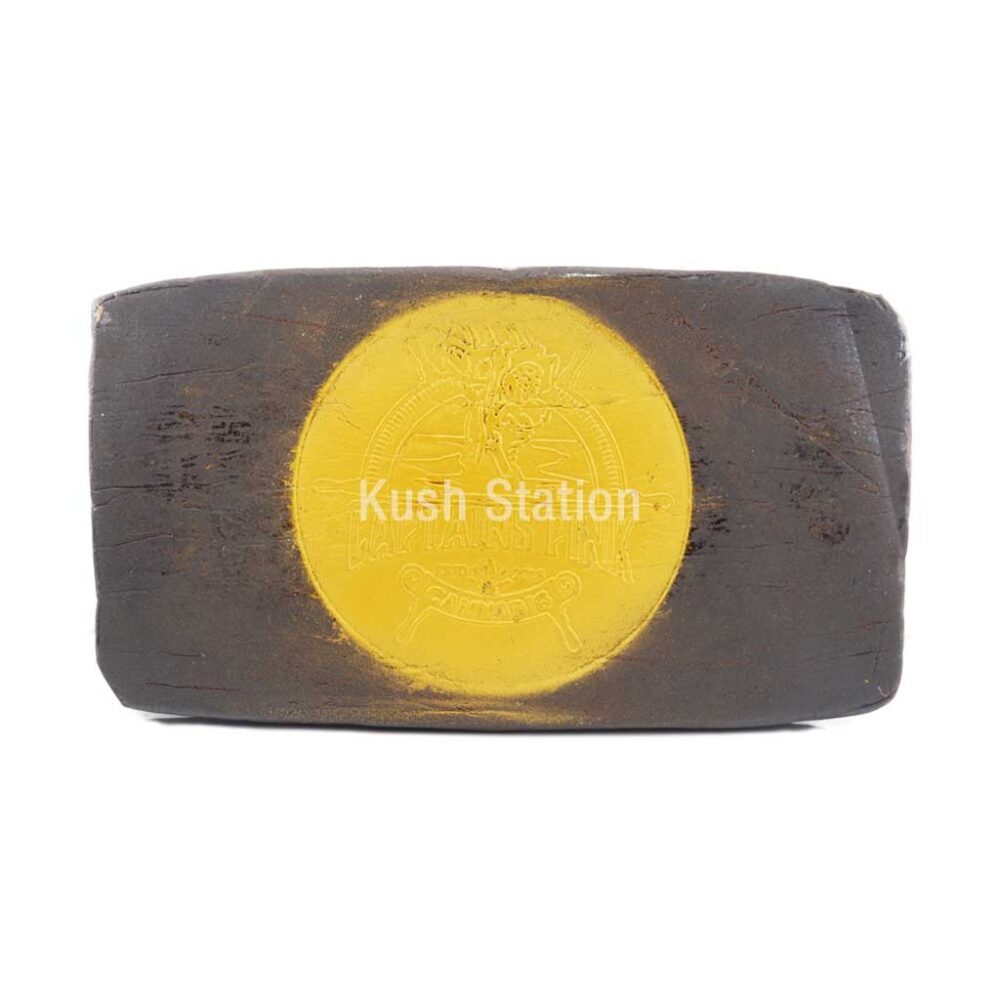
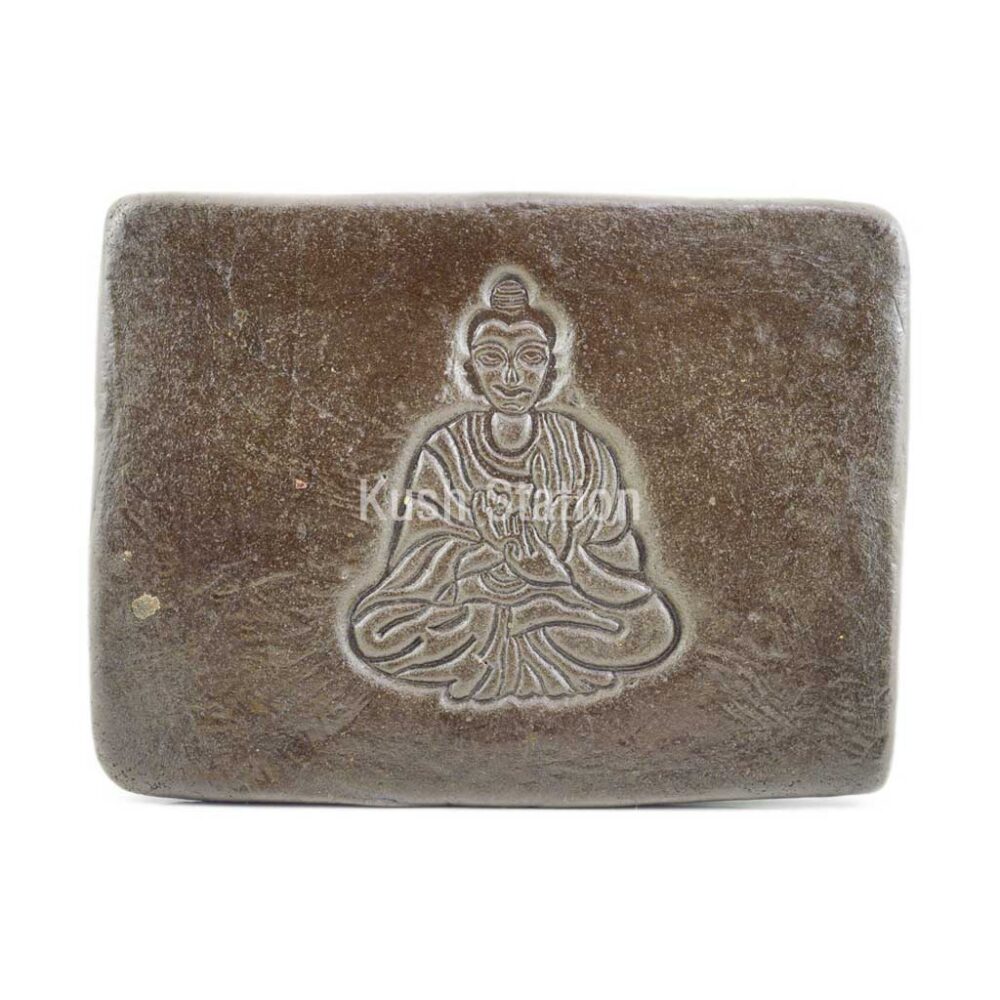
- Hash is one of the oldest forms of concentrate. It is made by separating the trichomes from the plant through sieving or rubbing. It can be pressed into blocks or kept as a powder. Hash is usually less potent than other modern extracts but offers a balanced effect.
- Shatter has a glassy, brittle texture. It is known for being very stable at room temperature and easy to handle. It is a good choice for beginners because it does not stick to your tools as much as softer extracts.
- Budder has a creamy, butter-like consistency. It is whipped during processing to create a smooth texture. Many people find it easy to work with and it often has a pronounced flavor.
Each of these concentrate types can be used in a dab rig, a vaporizer, or even added to a joint. The choice depends on your preferred experience and your equipment.
Potency and Strain Selection
Potency varies widely across concentrates. Some products test at 60% THC, while others can reach 90% or higher. For someone new to dabbing, starting with a lower potency product is wise. You can always take a bigger dab later. Strains also play a role. An Indica concentrate might be better for relaxation and sleep, while a Sativa could help with focus and energy. Hybrid strains offer a mix of effects. Knowing the strain helps you predict how the product will affect you.
When you shop online at a store like KushStation, you can sort by potency and type. This makes it easier to find exactly what you are looking for. But labels can be confusing. A product called "live resin" from a Sativa strain will hit differently than a "shatter" made from an Indica. Understanding these basics helps you make an informed choice.
The Role of Terpenes in Medical Marijuana Extracts
Terpenes are not just about flavor. They also contribute to the overall effect through what is called the entourage effect. This means that cannabinoids and terpenes work together to produce a result that is greater than the sum of their parts. For medical users, this is crucial. A full-spectrum extract that retains a wide range of terpenes may offer more balanced relief than a pure THC isolate.
Some terpenes, like myrcene and limonene, have their own therapeutic properties. Others simply make the experience more pleasant. When you choose a concentrate, pay attention to the flavor notes. They often tell you what terpenes are present. A citrusy smell might indicate limonene, while a piney aroma suggests pinene. These small details matter.
Dabbing and Consumption Methods
Dabbing is the most common way to consume concentrates. You heat a nail or banger to a specific temperature, place a small amount of extract on it, and inhale the vapor. Temperature control is important. Too hot, and you burn off the terpenes, ruining the flavor and possibly creating harmful byproducts. Too cool, and the extract may not vaporize fully. Many experienced users recommend a temperature between 315°F and 450°F for the best balance of flavor and effect.
Not everyone wants to use a torch and rig. Portable vaporizers designed for concentrates are becoming popular. They are convenient and allow for more precise temperature control. You can also add a small amount of concentrate to a bowl of flower in a regular vaporizer. This is called a "sandwich" and is a gentle way to try extracts without committing to a full dab setup.
For patients who need precise dosing, concentrates offer an advantage. Because they are so potent, a tiny amount can provide the desired effect. This is especially helpful for people who have trouble inhaling large volumes of smoke or vapor. A single dab can deliver the same amount of cannabinoids as an entire joint, but in a much smaller volume.
Safety and Quality Considerations
Not all extracts are created equal. Cheap products may contain residual solvents, pesticides, or mold. When you buy medical marijuana extracts, look for lab-tested products. A certificate of analysis should show the potency and confirm that the product is free of contaminants. Reputable sellers provide this information. If a shop does not offer it, that is a red flag.
Storage also matters. Concentrates are sensitive to heat, light, and air. Keep them in a cool, dark place. Silicone containers are common but can leach terpenes over time. Glass or ceramic containers are better for long-term storage. If your extract starts to change color or texture, it may be degrading. Use it sooner rather than later.
Comparing Extraction Methods: What to Look For
When you see terms like solventless extraction, BHO, or CO2 extraction on a product label, you should understand what they mean for the end user. Solventless methods like the Rosin Press produce a very clean product that tastes like the original plant. BHO and CO2 extraction can be efficient but may require additional purification steps. For medical use, solventless is often preferred because it avoids any chemical residues.
Live resin is another category worth understanding. It is made from plants that are frozen immediately after harvest. This preserves the delicate terpenes that would otherwise degrade during drying. The result is a concentrate with a very bright, fresh flavor. It is one of the most sought-after products for connoisseurs. However, it is also more expensive because the process requires more labor and equipment.
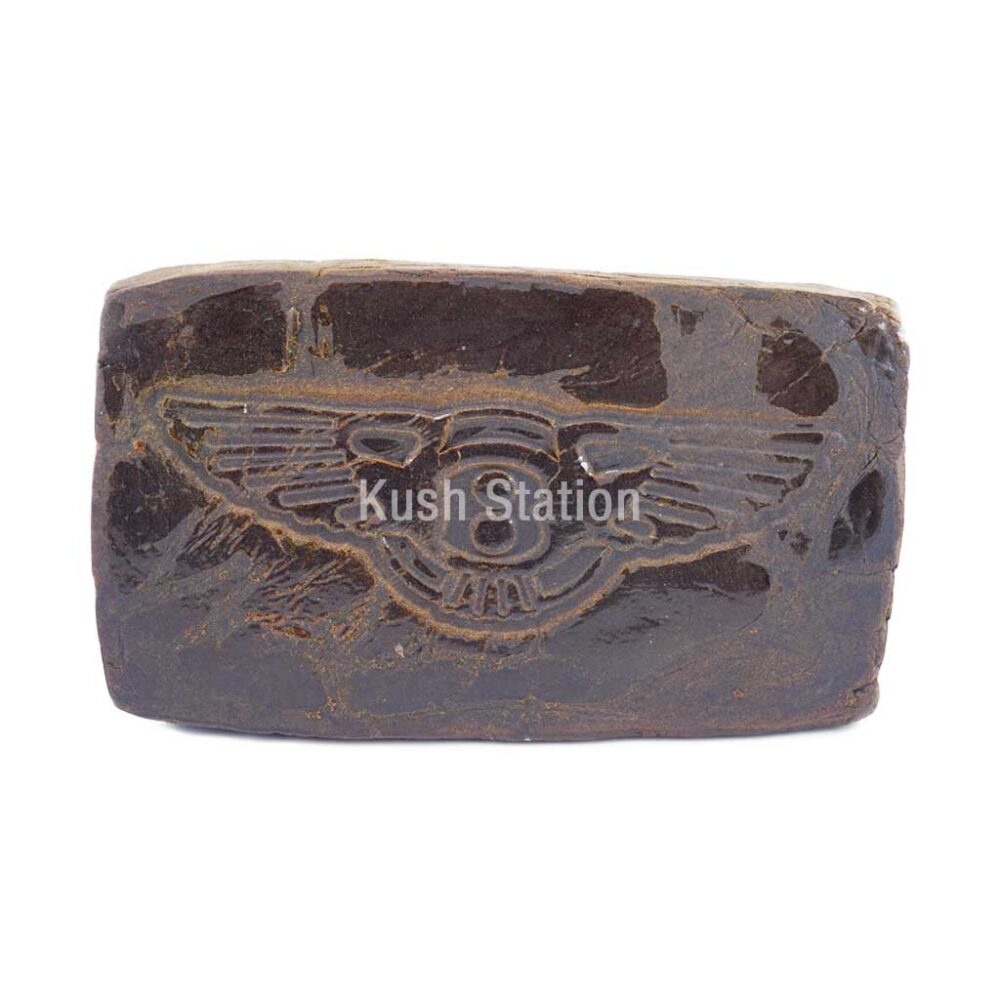
Hash sits at the other end of the spectrum. It is simple to make and has been used for centuries. Modern hash can be very high quality, especially if it is made from premium flower. But much of the hash on the market is lower in potency compared to live resin or shatter. It is a good entry point for someone who wants to try concentrates without jumping into high-THC territory.
Final Thoughts on Choosing the Right Extract
The world of medical marijuana extracts is wide and still growing. What works for one person may not work for another. Start with a small amount of a product that matches your experience level. Pay attention to how it makes you feel. Keep notes if you are using it for a specific medical condition. Over time, you will learn which concentrate types, strains, and extraction methods work best for you.
Whether you are after the intense flavor of live resin, the simplicity of hash, or the precision of a solventless rosin, there is a product out there for you. The key is to stay informed and buy from sources you trust. With a little knowledge, you can navigate the concentrate market with confidence and find exactly what you need.